Marriage Counseling and Couples Therapy in Somerset County, New Jersey
Why Couples Come to Therapy
Most conflict is not really about the content of the argument. It is about nervous systems, attachment needs, and old protective patterns showing up under stress. Couples get stuck in repeating cycles. It is the same fight with a different topic. Both partners feel unheard, unsafe, or blamed. No matter how hard you try to explain yourself, your partner does not seem to understand. No matter how much you want things to change, you keep falling into the same painful patterns.
At Living Well Therapy, we help partners slow down, understand what is happening beneath the surface, and learn how to respond to each other in ways that build trust instead of reactivity. Healing and strengthening relationships in our practice looks like more safety and less defensiveness during hard conversations, the ability to repair after conflict (not perfection, but the ability to come back together), clearer communication and stronger boundaries, better emotional regulation and less escalation or shutdown, and deeper connection through empathy, accountability, and shared meaning.
If you are feeling stuck, disconnected, or caught in cycles that hurt both of you, couples therapy can help you find a way forward.
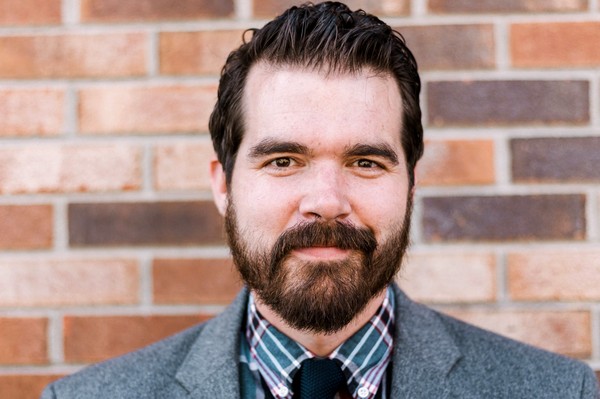
Your Couples Therapist: Joshua White, LCSW, SEP
Joshua White is a New Jersey Licensed Clinical Social Worker (LCSW) specializing in couples therapy with a trauma-informed and nervous-system-centered approach. He has over 10 years of clinical experience helping people strengthen their relationships, repair trust, and break free from painful cycles.
Joshua is a certified Somatic Experiencing Practitioner (SEP), which allows him to help couples recognize and regulate their nervous systems during conflict. When partners understand that they are in a threat response, not a character flaw, everything can shift.
Joshua holds an MSW from Kean University (2014) and a BA from the University of New Hampshire (2004). He has training in Cognitive Behavioral Therapy, Motivational Interviewing, and crisis intervention. Joshua is a APSAT trainee, learned in the APSATS Multi-Dimensional Partner Trauma Model training (January 2026), which specializes in working with couples affected by betrayal trauma and sex addiction.
Joshua is a member of Somatic Experiencing International. His integrative approach combines attachment-based therapy, Somatic Experiencing principles, parts work, and skills-based tools to help couples create lasting change from the inside out.
Common Issues Couples Seek Help With
Here are some of the most common concerns that bring couples to Living Well Therapy:
Communication Breakdown
You have the same conversation over and over but nothing changes. You feel misunderstood or dismissed. Conversations escalate quickly into arguments. You cannot discuss difficult topics without one or both of you shutting down or blowing up.
Conflict Escalation and Shutdown
You are stuck in repeating cycles where one partner pursues and the other withdraws, or both partners escalate into anger and blame. The same fights happen on repeat. You cannot seem to resolve issues, so you just avoid them, which creates more distance and resentment.
Trust and Betrayal
Trust has been broken through infidelity, affairs, lies, or broken promises. One or both partners are struggling with the aftermath of betrayal. Rebuilding trust feels impossible. Pornography use or sex addiction is affecting the relationship. Transparency and honesty feel fragile or absent.
Intimacy Issues
You feel emotionally or physically disconnected from your partner. The spark or passion has faded. You have mismatched desire or different needs around sex and connection. One or both partners fear vulnerability or being truly seen.
Life Transitions and Stress
Parenting stress is creating tension in the relationship. Work pressure is affecting how you relate to each other. Major life changes like moving, job loss, illness, or the death of a loved one are straining your connection. Grief and loss are pulling you apart instead of bringing you together.
Wanting to Strengthen Your Relationship
Your relationship is okay, but you want it to be better. You are engaged and want to prepare for marriage. You want to prevent problems before they become serious. You recognize patterns from your families of origin and want to create something healthier.
How We Approach Couples Therapy at Living Well Therapy
At Living Well Therapy, our work with couples is grounded in the belief that most conflict is not really about the content of the argument. It is about nervous systems, attachment needs, and old protective patterns showing up under stress. We help partners slow down, understand what is happening beneath the surface, and respond to each other in ways that build trust instead of reactivity.
Understanding the Cycle
Most couples get stuck in repeating cycles. One partner pursues connection and the other withdraws, or both partners escalate into anger and blame. These cycles feel automatic and impossible to stop. In therapy, we help you identify your specific cycle, understand what triggers it, and learn how to interrupt it before it takes over.
Integrative Approach
We integrate evidence-informed couples work with a nervous-system-centered approach. Depending on your needs, we draw from attachment-based couples therapy, which explores how bonding, threat, and safety shape conflict. We use Somatic Experiencing ® principles to track physiology, stay within a window of tolerance, and resolve survival responses. We incorporate parts work and IFS-informed strategies to understand protectors like anger, criticism, withdrawal, or people-pleasing. We also teach skills-based tools including communication techniques, boundaries, repair strategies, and emotional regulation.
What Makes This Different
What makes our approach unique is that we do not only teach communication skills. We help you understand why communication breaks down in the first place. When a couple can recognize they are in a threat response rather than being the problem, everything shifts.
Our trauma and Somatic Experiencing ® background helps partners notice escalation early by tracking posture, breath, and shutdown cues. We help you slow down and regulate so real listening becomes possible. We work with triggers as nervous system events, not character flaws. We create safety through pace, structure, and repair.
What to Expect in Couples Therapy Sessions
First Few Sessions
In the first few sessions, we focus on clarity, safety, and direction. We take time to understand your relationship story, what is currently not working, and what each partner hopes will change. We also identify repeating cycles. This is the pattern you get stuck in. We begin building a shared language for what is happening so both partners can see the cycle instead of blaming each other and come together and support each other.
Establishing Safety for Both Partners
To establish safety for both partners, we set clear guidelines for respectful communication in session. We help both partners feel understood even when you disagree. We track escalation in real time and intervene early so conversations stay productive. We teach practical regulation tools so conversations can stay manageable. We make sure therapy does not become a courtroom where someone wins and someone loses. Both partners need to feel heard and valued.
Typical Progression of Couples Therapy
The typical progression of couples therapy includes stabilizing the cycle by reducing blowups, shutdowns, and lingering resentment. Then we build skills like communication, boundaries, repair, and co-regulation. As stability increases, we do deeper work on attachment injuries, betrayal trauma, old wounds, and shared meaning. Finally, we consolidate change through building new habits, relapse prevention planning, and future planning.
Session Structure
We meet with couples together. Sessions are 50 minutes. Most couples benefit from weekly sessions initially. We adjust frequency as progress develops. The work you do between sessions is as important as the work we do in sessions. We often assign practices or conversations for you to try at home.
What Results Can Couples Expect From Therapy?
Couples can realistically expect meaningful change when both partners are willing to show up honestly and practice new skills between sessions. Therapy can help you move from stuck to connected, even if the relationship has been strained for a long time.
How We Measure Progress
We measure progress by tracking the frequency, intensity, and duration of conflict cycles. We look at your ability to repair after ruptures. We assess whether there is increased emotional safety and reduced fear or resentment. We observe improved communication and follow-through on commitments. We notice growth in empathy, accountability, and teamwork.
What Successful Outcomes Look Like
A successful outcome may look like a relationship that feels steadier, warmer, and more collaborative. You can have hard conversations without them turning into blowups. Trust is rebuilding or has been rebuilt. Both partners feel heard and valued. Physical and emotional intimacy has improved. You can navigate stress together instead of turning on each other.
Alternative Outcomes
In some cases, a successful outcome may look like a clearer and more respectful path forward if the couple decides to separate. Either way, the goal is more honesty, more stability, and less harm. Successful therapy is not always about staying together. Sometimes it is about finding clarity and peace, whatever that looks like for your relationship.
Timeline
Some couples see improvement in 8 to 12 sessions, especially if the issues are relatively recent and both partners are highly motivated. Others need 6 to 12 months of work for complex issues like infidelity, addiction recovery, or deep attachment wounds. The timeline depends on the severity of the issues and both partners’ level of engagement in the process.
Why Choose Living Well Therapy for Couples Therapy?
Nervous System Focus
Our focus on nervous system regulation is rare in couples therapy. We help couples recognize when they are in a threat response and teach regulation skills so conversations can stay productive. This prevents escalation before it happens and creates space for real connection.
Trauma and Somatic Experiencing Expertise Applied to Couples
Joshua's training in trauma and Somatic Experiencing ® allows us to notice escalation cues like changes in tone, breath, posture, or shutdown. We help couples slow down so real listening becomes possible. We work with triggers as nervous system events, not character flaws. We create safety through pacing and structure rather than forcing difficult conversations before partners are ready.
Specialized Training in Couples Therapy
Joshua has completed the APSATS Multi-Dimensional Partner Trauma Model training (January 2026), which specializes in working with couples affected by betrayal trauma and sex addiction. These specialized trainings ensure you are working with someone who understands the complexity of relationship repair.
Integrative Approach
We combine attachment-based therapy, Somatic Experiencing ® principles, parts work, and skills-based tools. We do not rely on just one modality. We tailor our approach to your specific needs and what will actually help your relationship.
Work With Motivated Couples
We work best with couples who are motivated to understand their patterns and are willing to take responsibility for their role in the relationship. Both partners do not need to be equally motivated at the start, but both need to be willing to show up and engage honestly. We work with couples at all stages: dating, engaged, married, or separated and considering reconciliation.
Over 10 Years of Clinical Experience
Joshua is a Licensed Clinical Social Worker with over 10 years of clinical experience. He has helped couples move from conflict and disconnection to safety and intimacy. His approach is direct, warm, and grounded in the belief that most relationship problems are solvable when both partners are willing to do the work.
When Couples Therapy May Not Be the Right Starting Point
There are situations where couples therapy is not the right starting point, especially when safety and stability are not present. We may recommend individual work, specialized treatment, or a different level of care when there is active domestic violence, coercive control, or intimidation. Safety is always the priority. We may also recommend a different approach when there are ongoing affairs where there is no willingness to stop the behavior and establish honesty. You cannot rebuild trust while actively betraying your partner.
Active substance use that prevents consistent participation or stability often requires individual stabilization first. A partner who is unwilling to participate or who uses therapy to prove the other person is the problem creates an environment where therapy becomes a weapon rather than a tool for healing. Severe emotional dysregulation where sessions repeatedly become unsafe or harmful without prior stabilization also requires individual work first.
In those cases, we can still create a helpful plan. Sometimes this means starting with individual sessions, creating a safety plan, or providing referrals. The goal is protecting everyone involved and building a foundation where couples work could later become productive.
Who Couples Therapy Is For
We work best with couples who are motivated to understand their patterns and are willing to take responsibility for their role in the relationship issues and health, even if things are currently painful or tense. You do not both need to be equally motivated at the start, but you both need to be willing to show up and engage honestly.
Stages of Relationship
We work with couples who are dating and want to strengthen their foundation before making a deeper commitment. We work with engaged couples who are preparing for marriage and want to address potential issues early. We work with married couples who are navigating challenges and want to repair or strengthen their relationship. We also work with separated couples who are considering reconciliation or seeking clarity about whether to stay together or move forward separately.
Common Situations
Couples commonly come to us when they are struggling with conflict escalation, distance, or repeated fights. We also see couples recovering from betrayal, trust injuries, or relational trauma. We work with couples navigating addiction recovery and its impact on the relationship. We help couples experiencing major life transitions like parenting stress, work stress, grief, or relocation. We also work with couples who want to strengthen their connection before things get worse.
Frequently Asked Questions About Couples Therapy
Consider therapy if you are having the same fights on repeat, feeling disconnected or like roommates rather than partners, trust has been broken and you do not know how to rebuild it, communication feels impossible or always escalates, or one or both of you are considering separation. You do not need to wait for a crisis. Many couples benefit from therapy before problems become severe. If you are asking the question, it is probably worth exploring.
This is a very common situation. Many couples start with one partner being more motivated than the other. Often the reluctant partner becomes engaged once they see that therapy is not about blaming them. Sometimes one partner can come individually first to discuss the relationship, and we can discuss strategies to encourage the other partner to join. Change in one partner often affects the entire relationship dynamic, so even if only one of you starts, it can still be helpful.
No. We do not take sides in couples therapy. The goal is helping both partners feel heard and understood, not determining who is right or wrong. We help you see the pattern you are stuck in, not who is to blame. Both partners contribute to the cycle, even if in different ways. Therapy is about understanding the dynamic, not keeping score or declaring a winner.
It varies depending on the couple and the complexity of the issues. Some couples see improvement in 8 to 12 sessions, especially for recent issues or if both partners are highly motivated. Others need 6 to 12 months of work for complex issues like infidelity, addiction recovery, or deep attachment wounds. We check in regularly about progress and adjust the frequency and focus as needed.
We meet with couples together. We do not provide individual sessions with one partner while also seeing the couple, as this creates a conflict of interest. If one partner needs individual work, we can refer out and possibly pause couples therapy while that work happens. After individual stabilization, we can resume couples therapy.
Couples therapy sessions are 50 minutes and cost $175 per session. Most couples meet weekly initially and adjust frequency as they make progress. We do not bill insurance directly, but we provide superbills (detailed receipts) that you can submit to your insurance company for potential out-of-network reimbursement. We offer a limited number of sliding scale spots. We also offer a free 15-minute consultation to answer questions and discuss your situation.
Start Strengthening Your Relationship Today
Living Well Therapy is located in Mendham, New Jersey, and serves clients throughout Morris County, Somerset County, and all of New Jersey via secure telehealth.
Office Location
5 Cold Hill Road South, Suite 18, Mendham, NJ 07945 (Across from the Kings Shopping Center)
Wheelchair accessible with parking available.
Areas We Serve
In-person sessions: Mendham, Basking Ridge, Bernardsville, Chester, Randolph, Long Valley, Bedminster, and surrounding Morris County and Somerset County areas.
Virtual sessions: All of New Jersey via secure Zoom.
Session Details
Length: 50 minutes
Cost: $175 per session (couples rate)
Insurance: Superbills provided for out-of-network reimbursement
Sliding scale: Limited spots available
Free 15-Minute Consultation
We offer a free 15-minute consultation where one or both partners can ask questions, discuss your situation, and determine if Living Well Therapy is a good fit for your relationship.
Contact
Phone: 973-769-4334
Email: info@livingwellnj.com
Response time: 24-48 hours
Serving: • Basking Ridge • Bernardsville • Chester • Randolph • Long Valley • Bedminster